
Joint Pain and
Musculoskeletal PRP
mobility, and an active lifestyle.

Joint Pain and PRP in Bloomington, IN
Support for Joint Health and
Active Living
Joint pain and musculoskeletal concerns can affect your mobility, comfort, and quality of life.
At Vanished Aesthetics and Wellness, we begin with an evaluation to better understand the source of your symptoms. Platelet-rich plasma, or PRP, may be considered for selected joint, tendon, or soft-tissue conditions as one part of a broader care plan.
Depending on your diagnosis, other recommendations may include physical therapy, medication, imaging, activity modification, or referral to another specialist.
Common Concerns We Help Address
Knee Osteoarthritis
Pain, stiffness, or reduced function related to osteoarthritis of the knee may be evaluated to determine whether PRP or another treatment approach is appropriate.
Selected Joint Pain
Joint pain can have many causes. Vanished may evaluate selected joint concerns, such as the shoulder, hip, ankle, elbow, or wrist, based on the clinic’s confirmed scope of care.
Tendon or Soft-Tissue Concerns
Certain tendon, ligament, or surrounding soft-tissue concerns may be evaluated to determine whether PRP, rehabilitation, imaging, or another approach may be appropriate.
Questions About PRP Injections
A consultation can help you understand how PRP works, what the procedure involves, the available evidence, and whether it may fit into your treatment plan.
When Imaging or Specialist Referral May Be Needed
Some symptoms require additional testing, diagnostic imaging, or evaluation by an orthopedic, sports medicine, rheumatology, or other specialist before treatment.
How PRP Works
Platelet-rich plasma is prepared from a small sample of your own blood. The sample is processed to concentrate platelets, which contain proteins and growth factors involved in normal tissue repair processes.
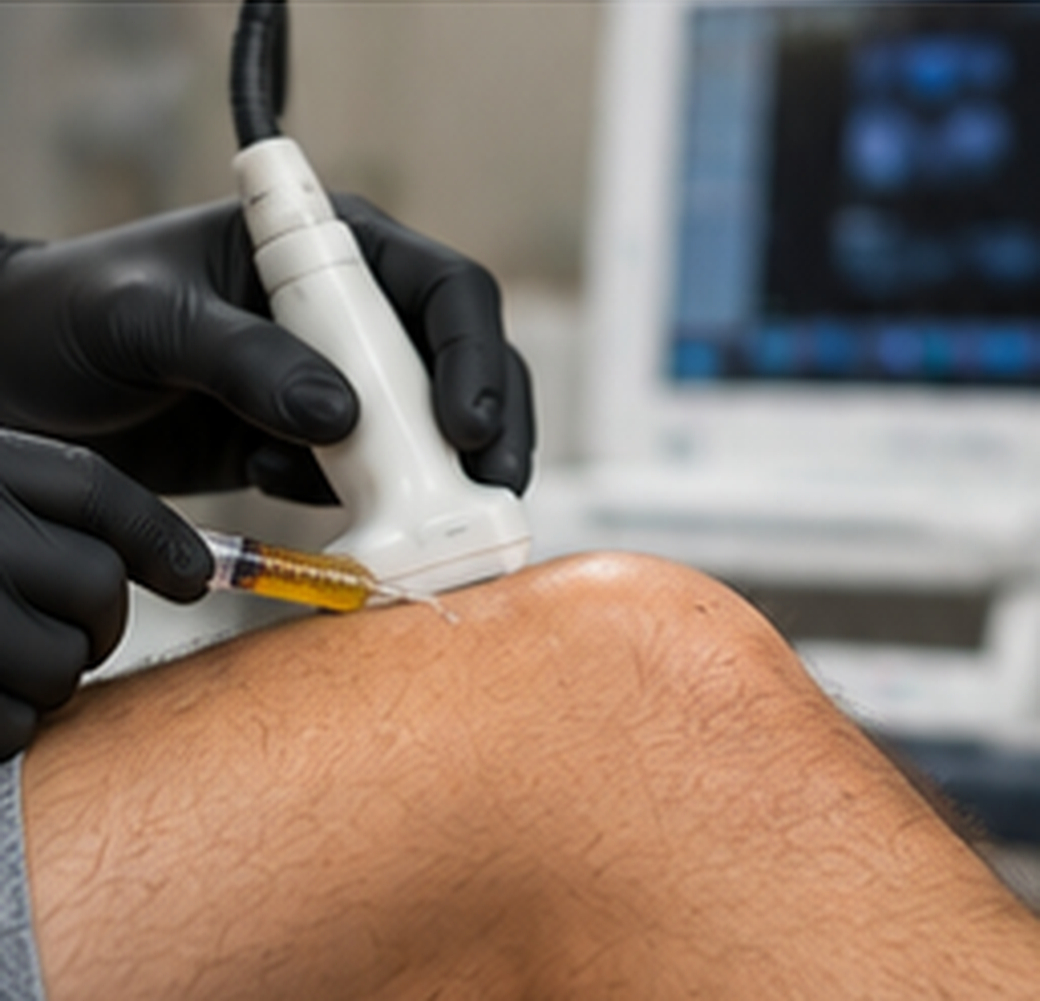
PRP is then injected into the targeted joint or soft-tissue area. When clinically appropriate, ultrasound guidance may be used to help improve injection accuracy.
PRP is not appropriate for every type of joint or musculoskeletal pain, and results vary depending on the diagnosis, treatment area, severity of the condition, and individual response.
Why Diagnosis Matters
Joint pain is a symptom, not a diagnosis.
Osteoarthritis, tendon injury, inflammation, ligament problems, referred pain, structural abnormalities, and other conditions can cause similar symptoms but may require very different treatment approaches.
A thorough evaluation helps determine whether PRP may be reasonable or whether imaging, physical therapy, medication, another procedure, or specialist referral should be considered instead.
Joint Pain and PRP Services
Musculoskeletal Evaluation
A detailed assessment of your symptoms, medical history, previous treatment, activity level, and functional goals to help determine the most appropriate next steps.
Ultrasound-Guided Joint PRP
PRP injections may be considered for selected, clinic-confirmed joint conditions when supported by the clinical evaluation.
Ultrasound guidance may be used when appropriate to help target the treatment area.
Ultrasound-Guided Tendon or Periarticular PRP
PRP may be considered for selected tendon or soft-tissue conditions when clinically indicated and within Vanished’s confirmed treatment scope.
Referral When Needed
If your symptoms, diagnosis, or imaging needs fall outside Vanished’s scope, we may recommend evaluation by an appropriate medical specialist.
Joint Pain and PRP FAQs
What conditions can PRP help with?
A clinical evaluation is important before deciding whether PRP is appropriate.
Which joints are commonly treated with PRP?
PRP is used in musculoskeletal medicine for a variety of joints and soft-tissue conditions, but Vanished should only list specific joints after confirming its current clinical scope.
Potential examples may include the knee, shoulder, hip, ankle, elbow, and wrist.
What is the evidence for PRP?
The evidence is condition specific. PRP should not be presented as a general treatment for all joint pain.
Research supports its use more strongly for certain conditions, including selected cases of knee osteoarthritis, while evidence for other musculoskeletal conditions may be mixed or still developing.
What can I expect during a PRP procedure?
A small amount of blood is collected and processed to concentrate the platelet-rich portion. The PRP is then injected into the targeted area, sometimes with ultrasound guidance.
Your provider will explain preparation, the procedure, aftercare, and any activity restrictions based on the treatment area.
How many treatments will I need?
Treatment plans vary by diagnosis, treatment area, response, and provider recommendation. A specific number of treatments should not be assumed before evaluation.
Are there side effects?
Possible effects can include temporary soreness, swelling, bruising, or discomfort near the injection site. Your provider will review potential risks and aftercare before treatment.
When is imaging or specialist referral needed?
Imaging or specialist evaluation may be recommended when the diagnosis is unclear, symptoms are severe or worsening, there has been significant trauma, neurological symptoms are present, previous treatment has failed, or the condition falls outside Vanished’s scope.

Ready to Move
More Comfortably?
Schedule a consultation to discuss your symptoms, activity goals, and whether PRP or another treatment approach may be appropriate.
We will help determine the most appropriate next step based on your evaluation and individual needs.